

Gear · Pack for your next session
A missing screw, a worn lace or a car full of wet clothes. Some wakeboarding accessories take up very little space and solve familiar problems.
This selection comes after the essentials: suitable board and bindings, appropriate protection and a safe place to ride. If you are preparing for your first session, read our boat and cable safety guide first.
1. The right tool and mounting hardware for your bindings
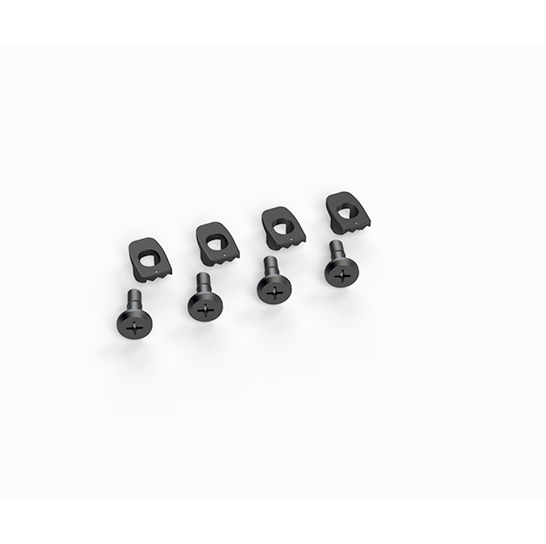
A small case with the correct tool and replacement mounting hardware can prevent a lost part from ending your session. Compatibility matters: diameter, thread, length and mounting plates or washers must match your board-and-binding setup.
Do not buy screws simply because they say M6. Never force a screw that does not thread correctly or substitute a similar-looking part. Check the manufacturer’s reference, or send us a photograph of your bindings and their mounting system before ordering.
Check your bindings before riding and tighten according to the manufacturer’s instructions. A suitable hand tool gives you control; more force does not always mean a better connection. If a binding moves or a thread is damaged, stop riding and resolve the problem before continuing.
Useful for: riders with their own board and bindings, at the cable or behind a boat.
2. Replacement laces and closures for your binding model
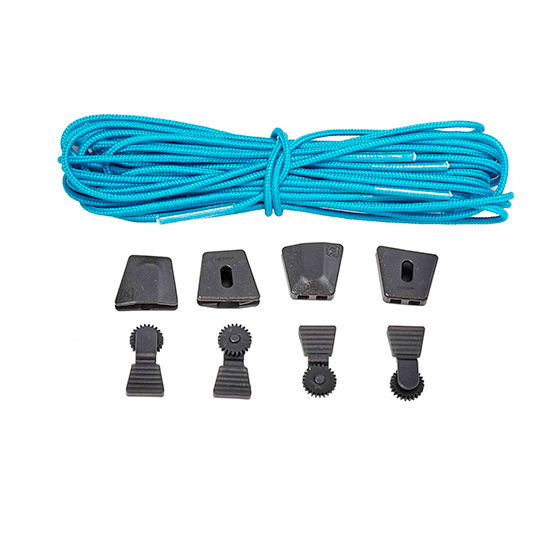
If your bindings use laces, it is worth knowing which replacement kit they take. Check the pulls and locks too: a fresh lace will not fix a lock that no longer holds tension.
Bindings may use laces, straps or other closure systems. Choose the part specified for your version and learn how to fit it at home using the manufacturer’s instructions. A rushed repair on the dock is a poor time to discover how the system works.
Before each session, look for wear around rubbing points. If the closure no longer secures your foot properly, replace the affected part before getting in the water. Carrying a spare does not replace maintenance.
Useful for: riders with their own bindings who want the correct parts ready for a straightforward replacement.
3. A changing poncho or towel, with dry clothes kept separately
A towel does the job of drying you after a session. A changing poncho is convenient when you need to change in a car park or beside the boat. Choose according to the space available and where you normally get dressed.
Consider absorbency, packed size and room to move. A towelling poncho and an outer changing coat serve different purposes: check the fabric and intended use rather than judging by appearance alone.
Keep dry clothes separate from wet equipment. Once home, take out your towel, poncho and wetsuit and dry them according to their care labels. Leaving everything closed in the boot until your next session is poor care for your kit.

Browse changing ponchos at Simple Wake Shop →
4. A board bag and separate storage for wet kit
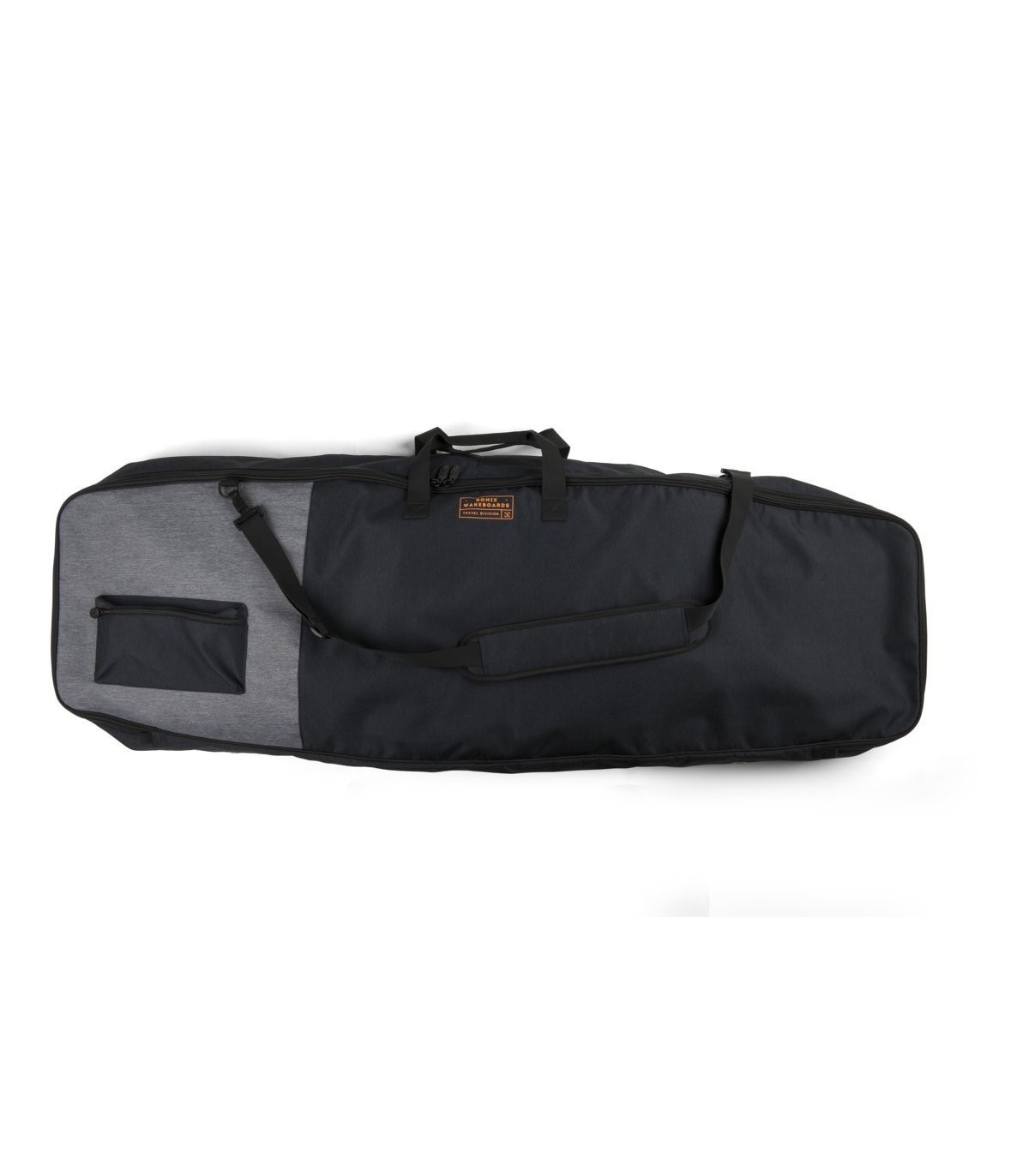
A bag makes carrying your setup easier and keeps equipment together. A simple cover may be enough for short journeys. If you travel, share a boot with lots of luggage or check your board onto a flight, consider padding and packing that keeps components from knocking against one another.
Check the maximum board length and whether the bag fits your board with bindings attached. For example, the Ronix Collateral listed in our board bag range fits boards up to 153 cm and has no padding. Choose a different option if padded travel protection is your priority.
Use a separate bag or container for wet clothing and empty it when you get home. Never assume that a board bag is watertight, and avoid using it as long-term storage for wet equipment.
Useful for: anyone transporting their own setup. The protection required depends more on the journey than on your riding level.
5. Your own rope and handle, if you ride behind a boat
With your own boat, or in shared sessions where you supply equipment, a wakeboard-specific rope and handle make sense. Check the rope’s condition, the handle grip and the intended use of the complete setup.
Agree rope length with the driver and instructor according to the wake and the rider’s level. You do not need to copy a professional rider’s setup to learn. Likewise, check suitability before swapping equipment between wakeboarding and wakesurfing.
At a cable park, the rope and handle are normally supplied as part of the installation. Ask before buying: owning a handle does not mean you can use it there.
Browse wakeboard ropes and handles →
For a cable session
Prioritise binding spares, dry clothes and a way to carry wet kit home. Confirm the park’s rules and what is included in the rental.
For a boat session
Alongside personal equipment, agree who brings the rope, handle and tools. Keep small parts in a case you can find easily.
Before you zip up your bag
- Secure binding mounts and working binding closures.
- The correct tool and identified replacement parts.
- Suitable protective equipment and anything required by the centre.
- A towel or poncho, dry clothes and space for wet kit.
- Drinking water and sun protection suited to the conditions.
If you need to prioritise spending, check the condition and fit of your main equipment first. Compare budgets in our basic, intermediate and premium equipment guide. If you are still choosing a board, start with the differences between cable and boat wakeboards.
Unsure which replacement part you need?
Send us the brand, model, approximate year and a photograph of the part. We can help check compatibility before you order.
